





Museo Ex Teresa Arte Actual
Museo Ex Teresa Arte Actual
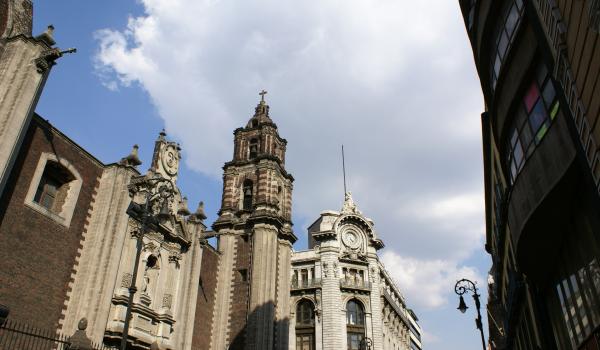
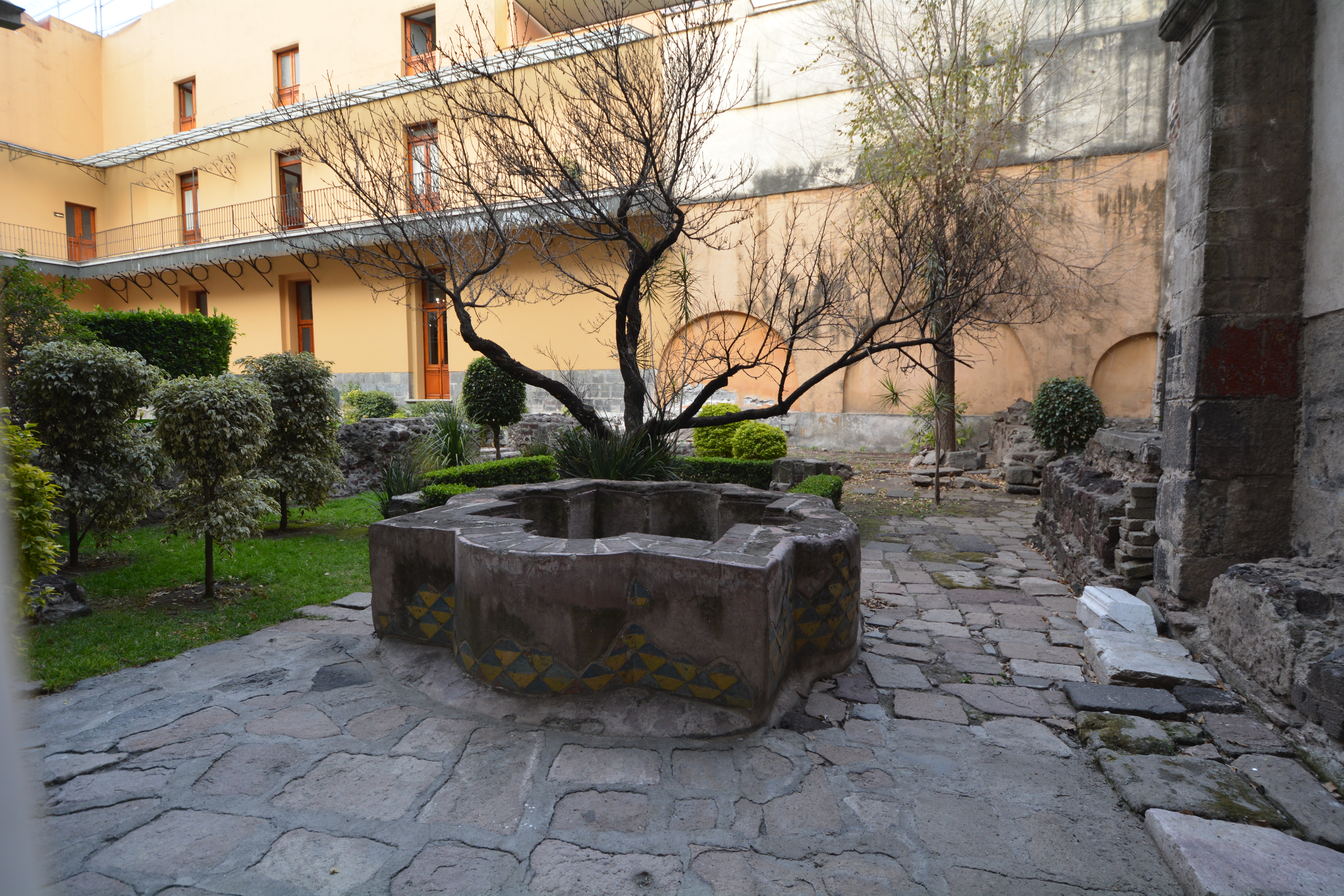
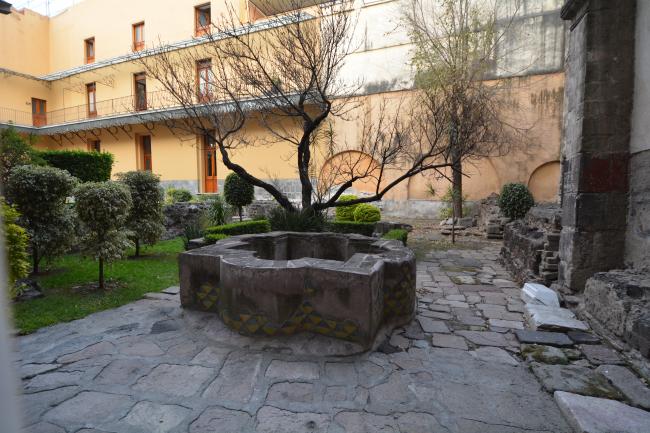
Located in the rear courtyard of the former Convent of Santa Teresa la Antigua, it displays archaeological remains from the colonial era, including an 18th-century fountain and historic gardens.
Until 1861, the area currently occupied by the Museum of University Autonomy, the Ex Teresa Contemporary Art Museum, and even República de Guatemala Street, was part of the same plot of land, which has been confirmed by the discovery of shared remains between the two buildings.
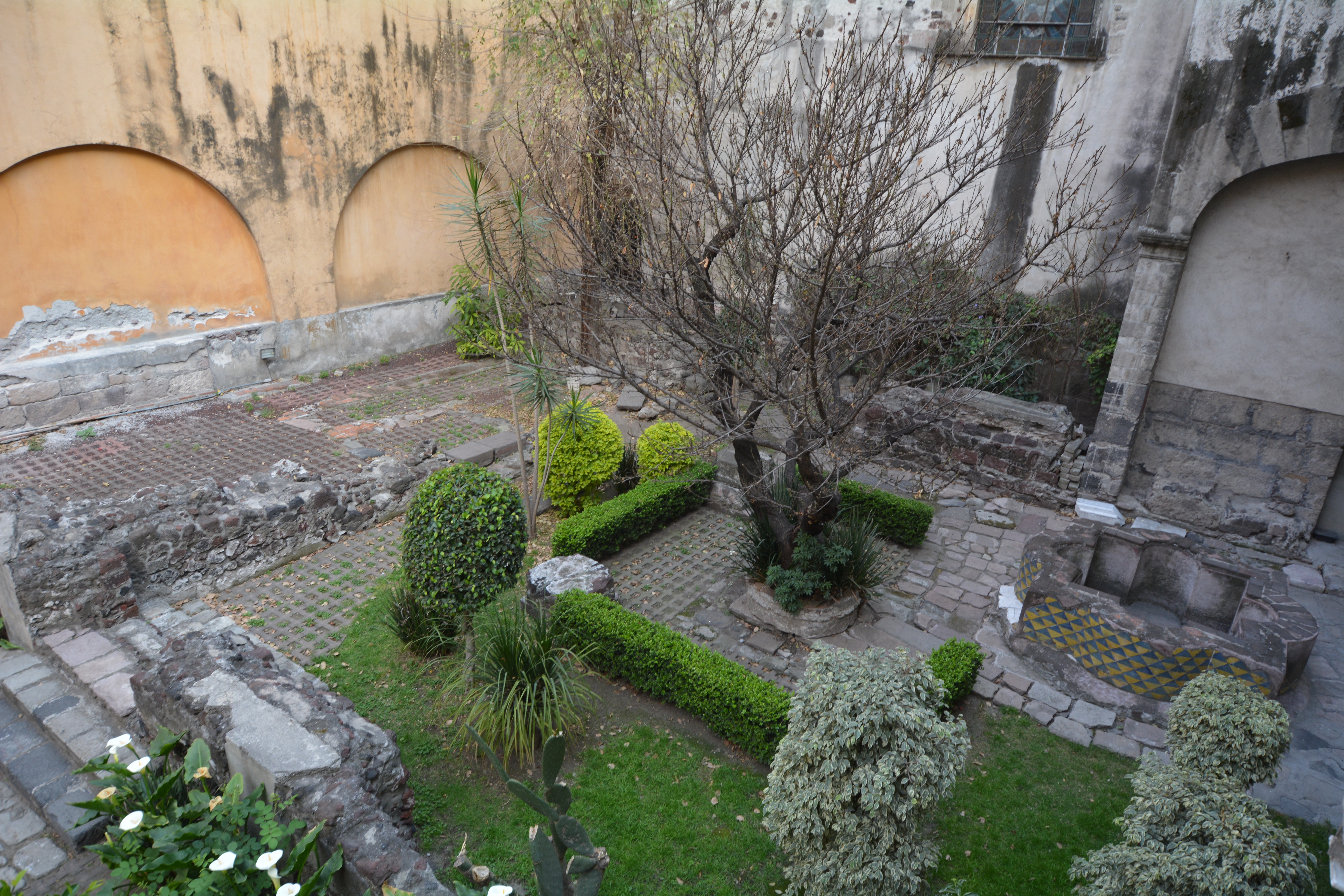
In 1989, the INAH's Directorate of Archaeological Salvage carried out an excavation inside the museum, in the area known as the rear courtyard of the Church of Santa Teresa la Antigua, where remains from the viceregal period were found. In order to allow the public to see these discoveries, an archaeological window was created, displaying a rectangular archaeological garden measuring 25.80 m long by 20 m wide, oriented north-south.
In this space, you can see the remains of a series of corridors decorated with monochrome, two-color, and polychrome tiles, as well as fragments of andesite block floors and rows of volcanic tuff bases, also known as chiluca rock, which served as column bases to support the arches that shaped the porticos of the former convent. These arches enclosed a central courtyard on all four sides, with an octagonal fountain consisting of a combination of four square sides and four semicircular sides. On the outside, it is covered with two-color tiles, blue and yellow, of the type known as Medio Pañuelo from the late 17th and early 18th centuries. Towards the eastern end of the archaeological site are the architectural remains of three cells that were used by the nuns.
Source: Raúl Barrera Rodríguez, director of the Urban Archaeology Program